
In today’s fast-paced world, prolonged standing, sedentary lifestyles, and intense physical activity have become commonplace. These habits can lead to leg fatigue, swelling, and even varicose veins. Compression socks (also known as compression stockings) offer an effective solution for leg health through scientific design and advanced material technology. This article explores the working principles, technical features, and health benefits of compression socks.
1. How Compression Socks Work
The core principle of compression socks lies in their graduated pressure design, which applies the highest pressure at the ankle and gradually decreases upward along the leg. This design helps:
Promote blood circulation: Assist venous blood in returning to the heart against gravity, reducing blood pooling.
Reduce muscle vibration: Stabilize leg muscles during exercise, lowering fatigue and injury risk.
Prevent deep vein thrombosis (DVT): Particularly beneficial for long-distance travelers or sedentary individuals.
Scientific Evidence: Studies show that graduated compression technology can increase blood flow velocity by over 30%, significantly alleviating leg swelling and soreness.
2. Technological Innovations in Compression Socks
Modern compression socks combine material science and ergonomics, reflected in the following aspects:
Precise pressure control: Advanced knitting technology ensures accurate pressure distribution (e.g., 20-30 mmHg at the ankle, decreasing to 15-20 mmHg at the calf).
Smart material applications:
Moisture-wicking fabrics: Such as polyester-spandex blends, keeping skin dry.
Antibacterial treatments: Silver ion or copper fiber technology to prevent odor and bacterial growth.
Seamless knitting: Reducing friction to avoid skin irritation.
Zoned pressure design: Targeted support for specific areas like the calf, Achilles tendon, and sole for enhanced comfort.
3. Applications and Target Users
Athletic recovery: Ideal for post-exercise recovery after running, basketball, or other high-intensity activities, accelerating lactate metabolism and reducing muscle soreness.
Healthcare applications:
Patients with varicose veins or edema (medical-grade compression socks of 20-30 mmHg or higher should be used under medical guidance).
Pregnant women: Alleviate leg swelling and reduce varicose vein risk.
Daily protection: Essential for professionals who stand for long hours (e.g., nurses, teachers) or frequent travelers.
4. How to Choose the Right Compression Socks
Pressure levels:
Mild (15-20 mmHg): Daily prevention and mild fatigue relief.
Moderate (20-30 mmHg): Athletic recovery or mild varicose veins.
High (30-40 mmHg): Medical use, requires medical advice.
Size measurement: Accurately measure ankle circumference, the widest part of the calf, and leg length to ensure a proper fit.
Functional needs:
Athletic versions: Focus on breathability and flexibility.
Medical versions: Emphasize precise pressure and lasting support.
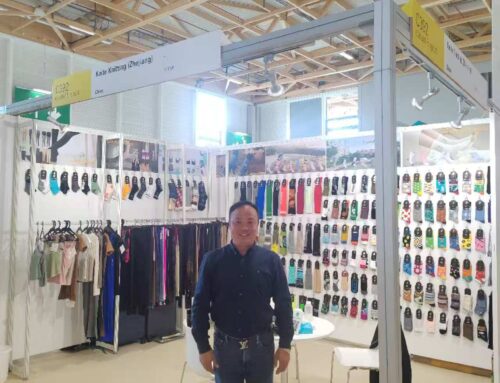
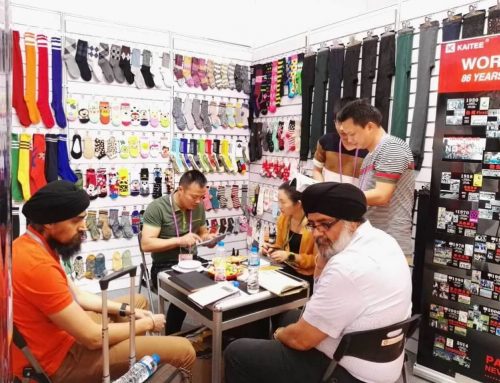
5. Zhejiang Kaite Knitting’s Compression Sock Advantages
As a professional knitting manufacturer, we ensure product competitiveness through:
Customized pressure design: Adjust pressure gradients based on client needs (e.g., elasticity for athletic use, support for medical use).
Eco-friendly processes: Use of OEKO-TEX certified dyes and recyclable materials.
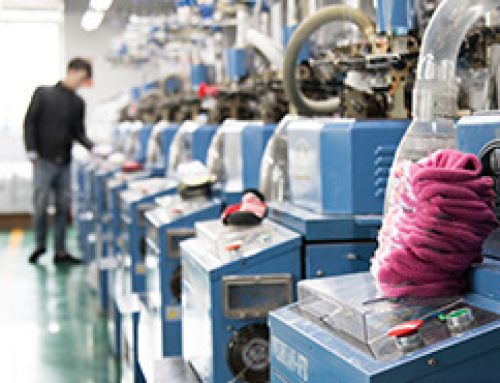
Scalable production capacity: Support for OEM/ODM orders, flexibly meeting bulk customization needs.
Compression socks are not just functional products but partners in healthy living. Through scientific design and technological innovation, they effectively enhance quality of life and prevent leg ailments. Visit our website or contact our customer service for customized compression sock solutions!